03Concept Note · Chapter 03 of 05

Thematic Agenda & Priority Pillars

Six core regional priority areas addressing transboundary resilience, infrastructure, youth enterprise, and financing, alongside a dedicated dialogue on Afghanistan.

Next: Proposed Outcomes

Interactive Thematic Explorer

Select a pillar to explore its working groups, action topics and linked SDGs.

6 Pillars + Afghan Dialogue
Water and climate — rivers and glacial landscapes
PRIORITY AREA IMultilateral Working Group
I
SDG 6SDG 13SDG 15SDG 7

Water, Climate & Environmental Resilience

Transboundary water security, mountain & glacier ecosystems, climate adaptation, disaster resilience, and clean renewable infrastructure.

Central Asia, Afghanistan, and Pakistan share the world's most critical high-mountain cryosphere systems—including the Pamirs, Tien Shan, Karakoram, and Hindu Kush. As climate warming accelerates glacial retreat and transboundary water stress, collaborative river-basin governance, early-warning systems, and joint adaptation finance are indispensable.

Dialogue Focus Streams & Action Items:
Transboundary water challenges & collaborative Amu Darya, Syr Darya, and Indus basin dialogues
Glacier and mountain ecosystems preservation under UN global mandates
Early warning disaster risk reduction (DRR) and climate adaptation mechanisms

Accelerating renewable energy transitions (solar, hydro, wind, green hydrogen)
Sustainable regional infrastructure designed for extreme climate resilience
Feeds directly into Outcome #1 (Islamabad Regional Action Framework)
OCT 2026

The Six Priority Areas

Each priority area will convene a designated ministerial and technical working group in Islamabad.

Section 5 · Systematic Breakdown
Water and climate — rivers and glacial landscapesI
SDG 6SDG 13SDG 15SDG 7

Water, Climate & Environmental Resilience

Transboundary water security, mountain & glacier ecosystems, climate adaptation, disaster resilience, and clean renewable infrastructure.

  • Transboundary water challenges & collaborative Amu Darya, Syr Darya, and Indus basin dialogues
  • Glacier and mountain ecosystems preservation under UN global mandates
  • Early warning disaster risk reduction (DRR) and climate adaptation mechanisms
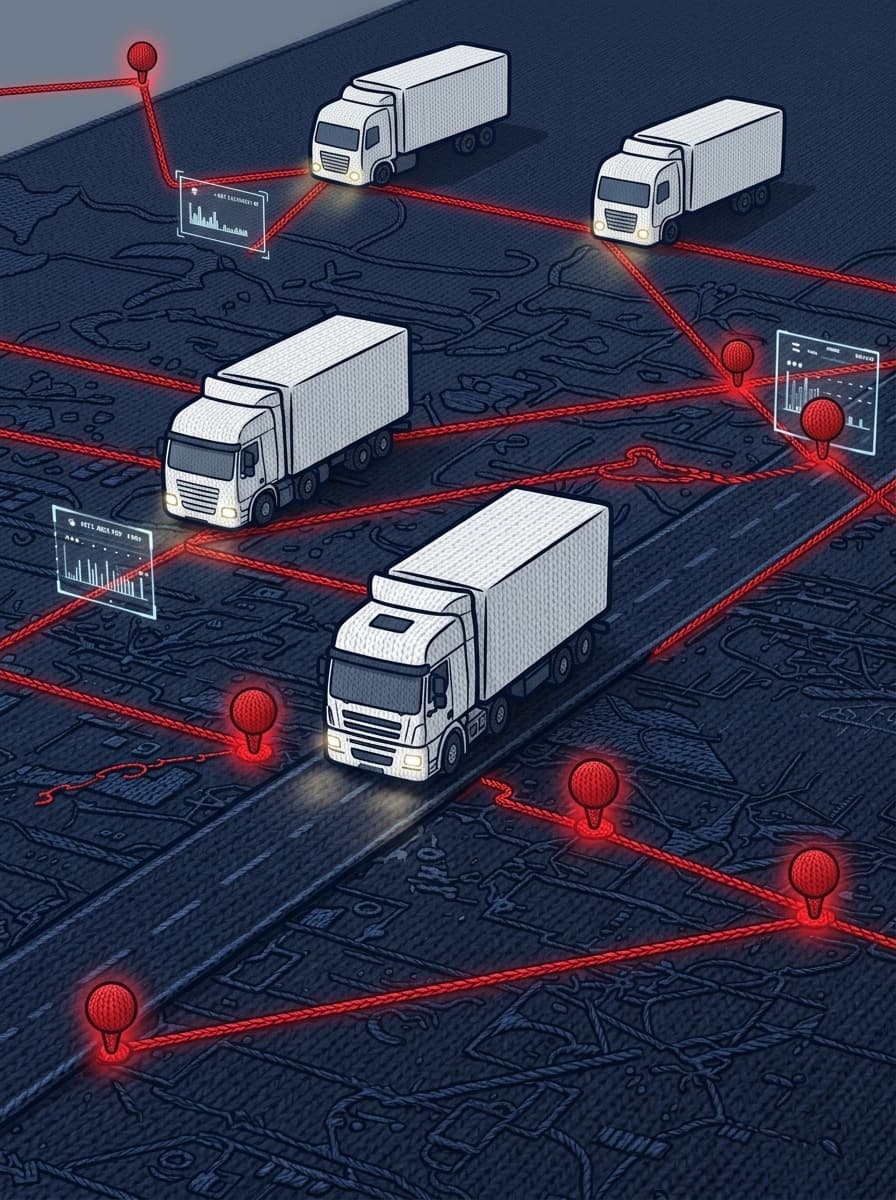
Regional connectivity — transport and trade corridorsII
SDG 9SDG 8SDG 12SDG 17

Regional Connectivity, Trade & Sustainable Economic Development

Trade corridors, transport & logistics harmonization, digital connectivity, regional markets, and sustainable eco-tourism.

  • Trans-regional transport corridors linking Central Asia with South Asian maritime ports
  • Digital customs clearance, paperless trade facilitation, and border harmonization
  • Green logistics, cold chain systems, and energy-efficient transport networks
Youth empowerment and skills developmentIII
SDG 4SDG 8SDG 5SDG 10

Youth, Skills, Employment & Entrepreneurship

Regional approaches to future skills, youth mobility, green jobs, social entrepreneurship, leadership, and startup ecosystems.

  • Regional qualification frameworks and recognition of vocational/technical skills
  • Green job creation and youth entrepreneurship incubation programs
  • Cross-border youth mobility, student fellowships, and research exchanges
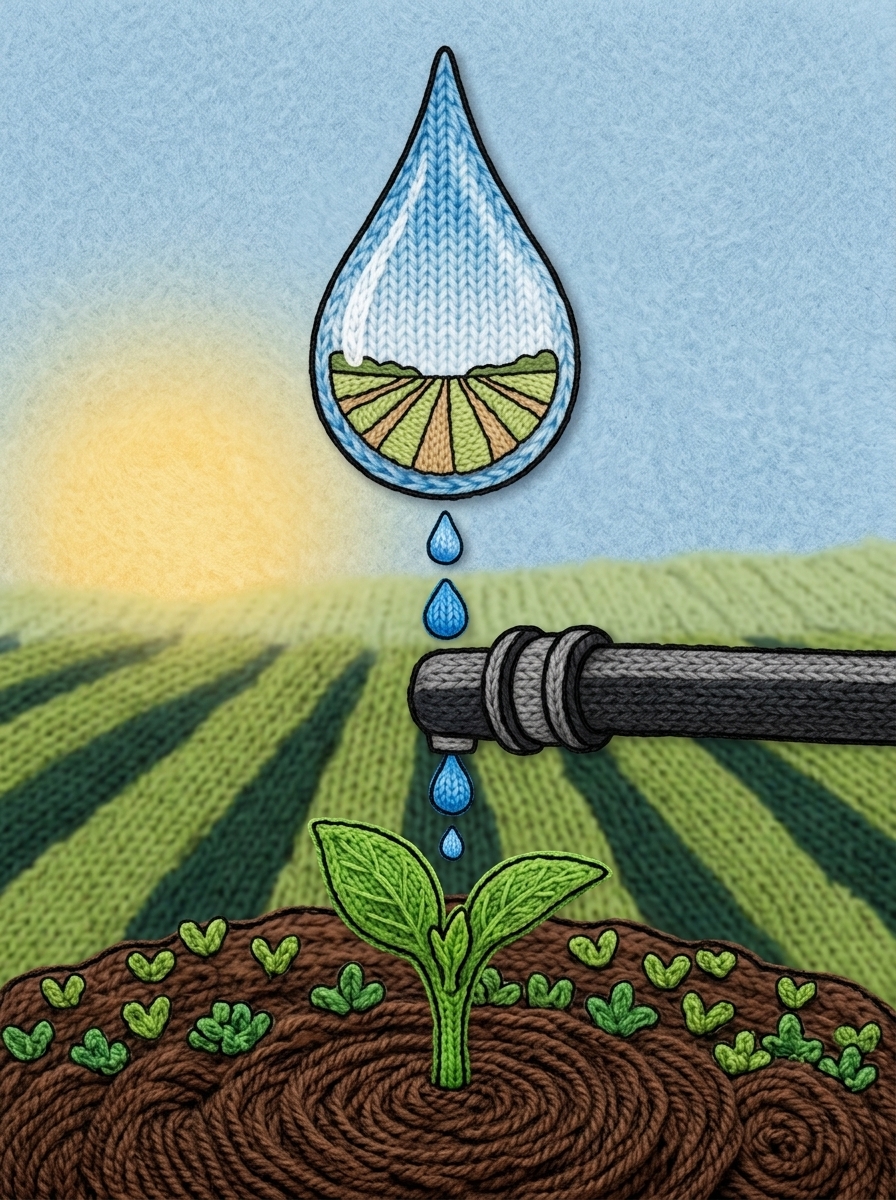
Food security — irrigated farmland and agricultureIV
SDG 2SDG 1SDG 12SDG 15

Food Security, Agriculture & Rural Transformation

Sustainable agriculture, resilient food systems, livestock management, high-efficiency irrigation, and agri-tech modernization.

  • Climate-smart agriculture and regenerative crop management practices
  • High-efficiency drip irrigation, saline land reclamation, and water-saving tech
  • Regional food supply chain resilience, grain reserves, and post-harvest storage
AI and digital transformationV
SDG 9SDG 4SDG 16SDG 17

Digital Transformation, Artificial Intelligence & Innovation

Digital public infrastructure (DPI), responsible AI for development, regional data systems, cyber resilience, and tech-enabled SDG monitoring.

  • Cross-border digital public infrastructure (DPI) and interoperable payment rails
  • Responsible, ethical Artificial Intelligence applications for climate and health
  • Satellite earth observation data sharing for water and disaster monitoring
Investment and finance partnershipsVI
SDG 17SDG 8SDG 9SDG 13

SDG Financing, Investment & Strategic Partnerships

Development finance, blended finance, private impact investment, green bonds, public-private partnerships, and bankable regional project pipelines.

  • Structuring bankable transboundary infrastructure and green transition projects
  • Blended finance mechanisms to de-risk private capital in emerging corridors
  • Regional green and sustainability-linked bond frameworks
Section 6 · Special Dedicated Convening

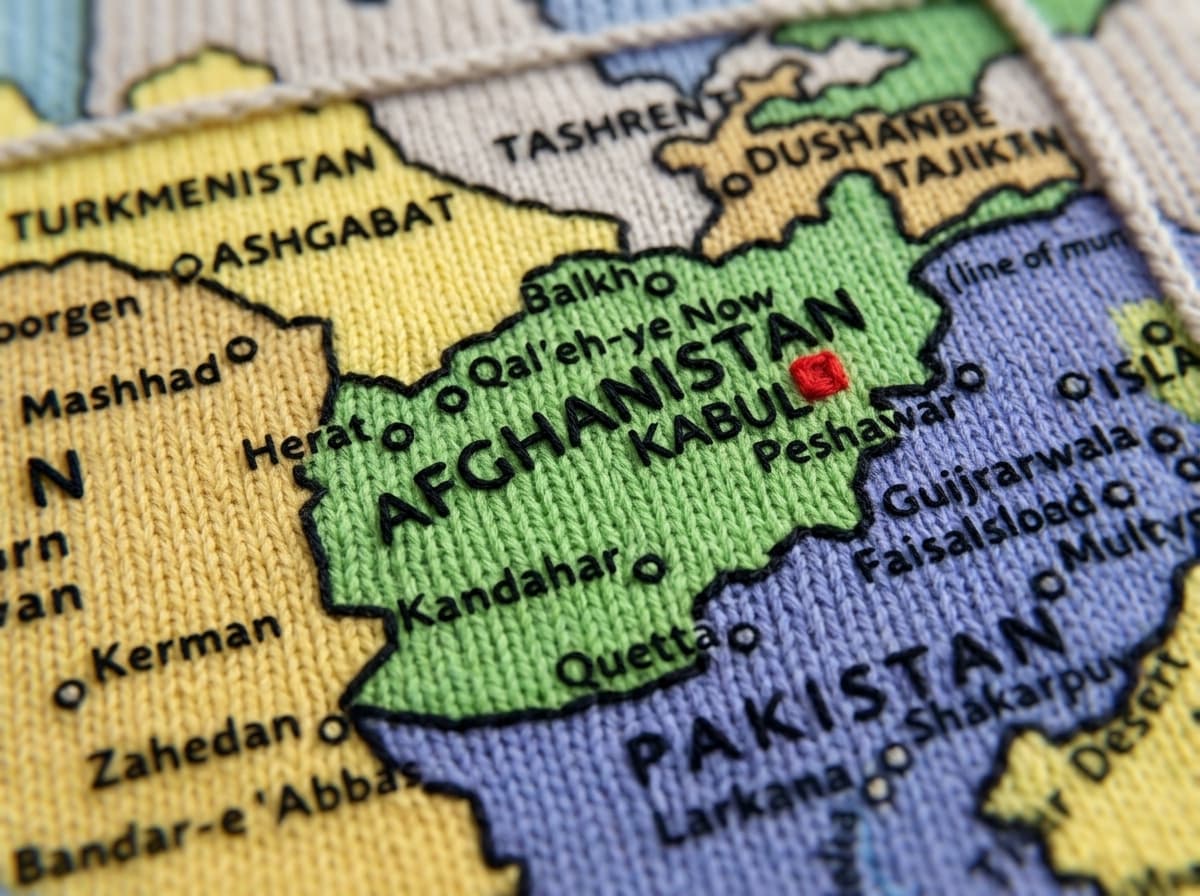
Afghanistan and the Regional Sustainable Development Agenda

Framed around people-centred sustainable development, basic human needs, human rights, and practical regional cooperation.

Trans-Regional Nexus
“Afghanistan occupies the pivotal geographic and hydrological crossroads between Central and South Asia. Stability and sustainable progress across the entire region are inextricably tied to human dignity, basic livelihoods, and practical economic inclusion for all Afghan people.”

The session will bring together regional delegates, UN agencies, development partners, academic experts, and civil society practitioners to focus on pragmatic, people-centred development cooperation across nine vital streams:

Food & Agriculture

01

Drought resilience, local grain production, seed security, and livelihood preservation for agrarian families.

Women and Human Rights

02

Prioritizing women's education, healthcare access, civil agency, economic participation, and fundamental human dignity.

Energy, Water & Climate Resilience

03

Amu Darya basin hydrologic monitoring, solar rural mini-grids, and trans-regional transmission lines (CASA-1000).

Trade & Connectivity

04

Preserving vital transit corridors, customs transit agreements, and land route connections between Central Asia and Pakistan.

Livelihoods & Basic Needs

05

Community-based micro-enterprise, artisanal crafts, and immediate basic socio-economic security.

Youth Employment

06

Vocational skills, distance education, remote digital work opportunities, and youth enterprise incubation.

Digital Development

07

Digital connectivity for humanitarian aid delivery, tele-health, distance learning, and mobile banking.

Regional Economic Cooperation

08

Engaging technical agencies, cross-border commerce chambers, and pragmatic working groups.

Humanitarian-Development Linkages

09

Bridging emergency relief to long-term community resilience, basic services, and self-reliance.

People-centred sustainable development and practical regional cooperation.Proceed to Proposed Outcomes