01Concept Note · Chapter 01 of 05

Background & Strategic Rationale

Addressing interconnected transboundary development challenges across Central Asia, Afghanistan and Pakistan through pragmatic multilateral cooperation.

Next: Objectives & Participation

A First Dialogue for a Long-Term Platform

The Islamabad Dialogue is the first major convening of CAP-SDI — a platform for regional cooperation, knowledge exchange, investment and practical action.

Section 1 · Background

The Islamabad Regional Dialogue on SDG Implementation, Regional Cooperation & Investment 2026 will be the first major dialogue convened under the Central Asia–Afghanistan–Pakistan Sustainable Development Initiative.

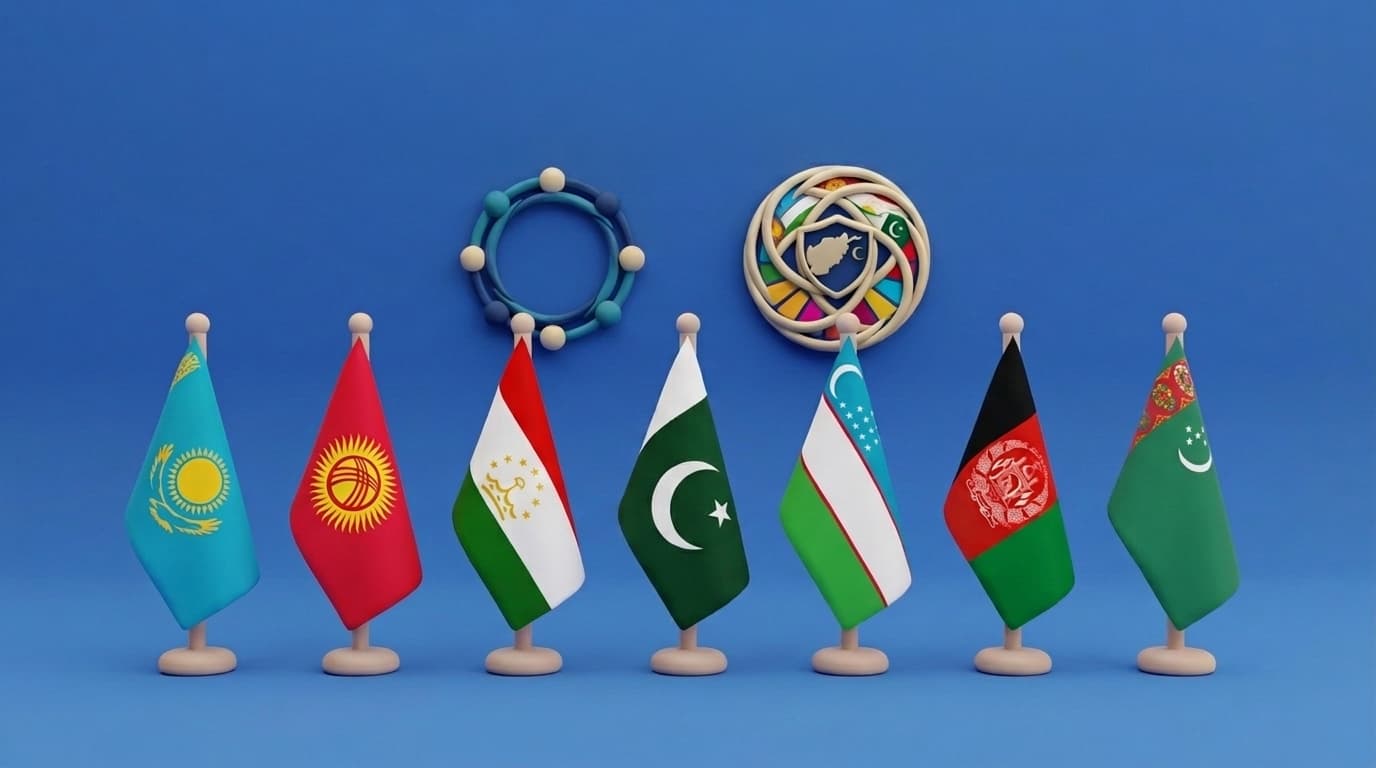
The Dialogue will bring together stakeholders from Kazakhstan, Kyrgyzstan, Tajikistan, Turkmenistan, Uzbekistan, Afghanistan and Pakistan, alongside international organizations, development partners, financial institutions, academia, civil society, youth and the private sector.

The region possesses significant opportunities for cooperation, but also faces interconnected challenges involving water security, climate change, environmental degradation, food security, energy, connectivity, trade, youth employment, digital transformation and sustainable financing.

These challenges increasingly require approaches that complement national development efforts with regional cooperation.

Institutional Context

United Nations Regional Centre for SDGs in Almaty (2025)

The establishment of the United Nations Regional Centre for the Sustainable Development Goals for Central Asia and Afghanistan in Almaty in 2025 provides an important regional institutional context. The UN has highlighted the Centre’s potential to support coordinated, country-led efforts involving governments, civil society, academia, the private sector and financial institutions.

Read UN Secretary-General’s Remarks

Why Islamabad? Connecting Central Asia with South Asia

Islamabad provides a strategic setting for bringing together Central Asian, Afghan and Pakistani stakeholders around a shared sustainable-development agenda. The Dialogue will use Islamabad as a platform to connect landlocked Central Asia with South Asian maritime ports, particularly through discussions on sustainable connectivity, trade, water, energy, food systems, youth, technology and investment.

Central AsiaSouth AsiaAlmatyKarachiGwadarIslamabad

The Geopolitical & Geoeconomic Crossroads

Islamabad provides a strategic setting for bringing together Central Asian, Afghan and Pakistani stakeholders around a shared sustainable-development agenda.

Geographically situated at the junction of the Himalayas, Karakoram, and Hindu Kush ranges, Pakistan shares direct mountain, glacial, and river-basin realities with Central Asia and Afghanistan.

Connecting Central Asia with South Asia

The Dialogue will use Islamabad as a platform to connect Central Asia with South Asia, particularly through discussions on sustainable connectivity, trade, water, energy, food systems, youth, technology and investment.

Pakistani deep-water ports on the Arabian Sea offer the shortest, most cost-effective maritime trade outlets for the landlocked Central Asian republics.

Pakistan, Central Asia & Afghanistan

Seven interconnected nations united through shared river basins, mountain cryospheres, historic trading routes and mutual SDG priorities.

07
Nations
250M+
People
Oct 2026
Islamabad
Flag of Pakistan
07 / 07
Host · PAK

Pakistan

پاکستانCapital · Islamabad (Host)

Strategic regional role

Host Nation, Maritime Gateway to Arabian Sea, Climate Vulnerability & Youth Innovation Hub

Host of the foundational 2026 Dialogue in Islamabad. Offers warm-water port access (Gwadar, Karachi) to landlocked Central Asia, leading South-South cooperation and loss-and-damage climate advocacy.

Key indicators

Maritime Access
Karachi & Gwadar Ports
Youth Demographics
64% under age 30
Host City
Islamabad (Oct 2026)

Priority SDG commitments

  • 13Climate Resilience
  • 14Oceans & Ports
  • 08Youth Skills
  • 17Regional Multilateralism